


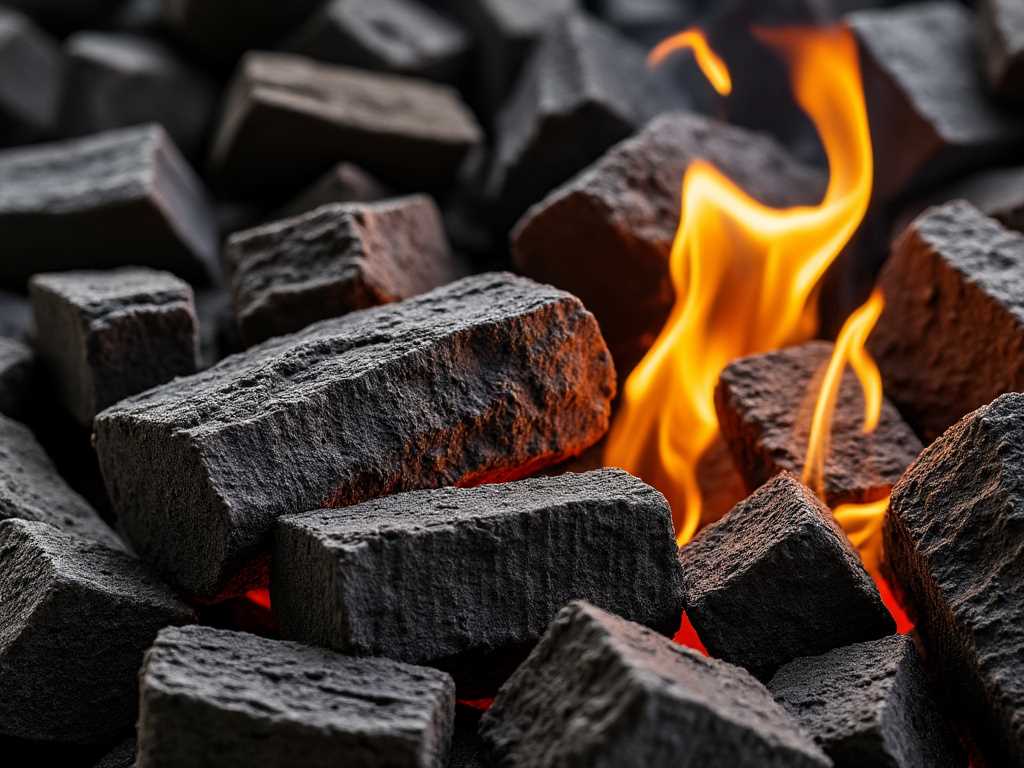
The Hardwood Charcoal Crisis in the Middle East
The Middle East, a region known for its arid landscapes and rich cultural heritage, faces a growing yet often overlooked challenge: the unsustainable use and production of hardwood charcoal. While charcoal remains a popular fuel source for cooking, heating, and recreational activities like barbecues, its production and trade are creating significant environmental and social issues across countries such as Saudi Arabia, Egypt, and the United Arab Emirates. This article explores the problems tied to hardwood charcoal in the Middle East, shedding light on deforestation, illegal trade, and the urgent need for sustainable alternatives.
The Rising Demand for Hardwood Charcoal in the Middle East
Hardwood charcoal, prized for its long burning time and high energy output, is in high demand across the Middle East. In countries like Saudi Arabia and the UAE, where meat consumption is a cultural staple, charcoal briquettes fuel barbecues and outdoor grills. Egypt, too, sees a steady market for charcoal, driven by both domestic use and industrial needs. However, the region’s limited forest cover means that most hardwood charcoal is imported or sourced unsustainably, amplifying the environmental toll.
The demand is fueled by a growing population and urbanization, yet local production remains in its infancy. Despite the abundance of biomass resources like date palm waste, which could be transformed into charcoal, the Middle East lags in developing efficient production systems. This gap has led to a reliance on imports, often from regions where hardwood charcoal production devastates ecosystems.
Environmental Consequences: Deforestation and Resource Depletion
One of the most pressing issues tied to hardwood charcoal in the Middle East is its link to deforestation in source countries. Much of the charcoal consumed in the region originates from Africa, Southeast Asia, and Latin America, where hardwood forests are felled to meet global demand. For instance, Somalia’s charcoal trade, partly exported to Middle Eastern markets, has accelerated the loss of acacia forests, exacerbating drought and climate change in an already fragile region.
In the Middle East itself, the limited availability of natural forests means that local production often exploits scarce resources. Date palm biomass, a potential sustainable alternative, remains underutilized due to a lack of investment in modern pyrolysis technologies. Instead, reliance on imported hardwood charcoal perpetuates a cycle of environmental degradation, contributing to global carbon emissions and biodiversity loss.
Social and Economic Challenges: Illegal Trade and Exploitation
Beyond environmental concerns, the hardwood charcoal trade in the Middle East is tangled in social and economic issues. Illegal logging and unregulated supply chains are rampant, with reports suggesting that some charcoal entering the region is linked to exploitative labor practices and organized crime. In Somalia, for example, the militant group al-Shabaab profits from the charcoal trade, using revenue to fund conflict while local communities bear the brunt of deforestation and poverty.
In Middle Eastern countries, the lack of regulation in the charcoal market allows low-quality or illegally sourced products to flood the market. This not only undermines legitimate producers but also poses health risks to consumers, as substandard charcoal can release harmful pollutants when burned. For rural communities in the region, the absence of sustainable alternatives keeps them dependent on costly imports, straining household budgets.
A Path Forward: Sustainable Solutions for the Middle East
Addressing the hardwood charcoal crisis requires a multi-faceted approach. First, Middle Eastern nations could invest in local production using abundant biomass waste, such as date palm fronds and cotton stalks. Technologies like continuous pyrolysis offer a way to produce high-quality charcoal while generating valuable byproducts like bio-oil and syngas, which can be used for energy or industrial purposes.
Second, stricter import regulations and certifications could curb the inflow of illegally sourced charcoal, encouraging ethical trade practices. Raising awareness about sustainable alternatives, such as coconut shell briquettes or recycled biomass charcoal, could also shift consumer preferences and reduce environmental harm.
Finally, regional collaboration is key. Countries like Saudi Arabia, Egypt, and the UAE could lead the way by sharing resources and expertise to develop a greener charcoal industry. By prioritizing sustainability, the Middle East can meet its energy needs without compromising the planet or its people.
Conclusion
The hardwood charcoal dilemma in the Middle East is more than a fuel issue—it’s a reflection of broader environmental and social challenges. As demand continues to rise, so does the urgency to rethink how this resource is produced and consumed. By embracing sustainable practices and reducing reliance on destructive imports, the region can pave the way for a cleaner, more equitable future. For those seeking reliable and ethically sourced hardwood charcoal, Tatum Nusantara Indonesia offers export solutions, providing high-quality charcoal to meet Middle Eastern demand while supporting sustainable practices. Will the Middle East rise to the challenge, or will the hardwood charcoal crisis continue to smolder unchecked?